
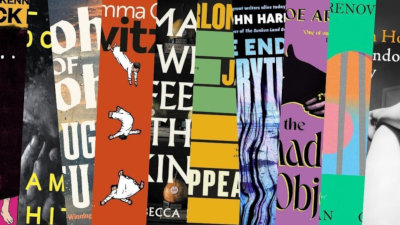
 With so many literary prizes, don’t be surprised even literary shortlists have tropes. Blink and you’ll think this is satire…
Lit-Fic for the Lit-Crit
Literary Fiction (capital letters) is the home of Important Writing (also capital letters). Literary Authors write for Serious Readers unafraid of challenging subjects, ‘difficult’ prose, unconventional story structures, and unique viewpoints. These literary novels demonstrate publishers’ commitment to the art, showcase new talent and enhance their industry standing. Even better if they sell a bunch of hardcovers at full price.
Eyes on the prize
It seems nothing publicizes a book like a cover sticker for a prize shortlist aiming to honor ‘exceptional’ writing. Or does the prize exist as an arbiter of taste, guiding readers toward more ‘worthy’ books?
Who benefits? The organizers get to promote their literary agenda. The publishers get a publicity boost for their literary darlings, especially if there’s a controversy. The authors get a sales boost and maybe a prize check at the end. Readers get a sticker encouraging them or congratulating their excellent taste in Worthy Books. There are tables at the front of bookstores filled with Worthy Books. They are almost a genre in themselves.
On trend; the Short-list Trope-list
Sadly, the short-lists over the last couple of years all converge on a check-list of, dare we say, tropes. Yes, tropes exist in literary fiction. Hit eight or more on the list below and you have a shot at an exclusive, high profile literary prize.
- A female, mixed-race or multi-cultural protagonist with a first or second-generation migrant backstory
- Oppression by misogynist, reactionary men
- Denial of female agency
- LGBTQ++ themes
- Conflict with the mother figure
- Early internalized shame
- New York as a setting – ideally Brooklyn – in stark contrast with the Middle East, Africa, Asia, or Eastern Europe. London or Paris will do at a pinch.
- Some kind of creative career; a writer or artist (preferably a sculptor or ceramicist, but mixed media or painter [eugh] will do), musician, singer, literary agent, or at worst, actor
- Explosive sexual awakening, polyamory
- Self-sabotage or self-destructive urges. Bonus points for near-suicide and time in therapy
- Childhood trauma or loss and/or abuse
The Genre Kaleidoscope
The candidate novels are allowed a genre-bending mashup as long as the prose and structure remain opaque and unexplained. Magical-realism is always ripe for a revival as long as the 2020’s version is as grim and miserable as the other items on the trope list.
We’re not Worthy
As a final note, the novel’s ending must remain firmly unresolved, preferably as miserable and traumatic as the previous four hundred pages. No one is allowed a Happy Ever After under any circumstances. Prize winners must remain thoroughly angsty and depressing from first to last page. No novel with a conclusive or unambiguous ending is allowed anywhere near a prize shortlist.
And the winner is…
So has our short-list-trope-list of prize novels reached the level of epic satire? Or has it merely scratched the surface?